You don’t need a medical background. You need to be the kind of person who notices when someone isn’t okay.
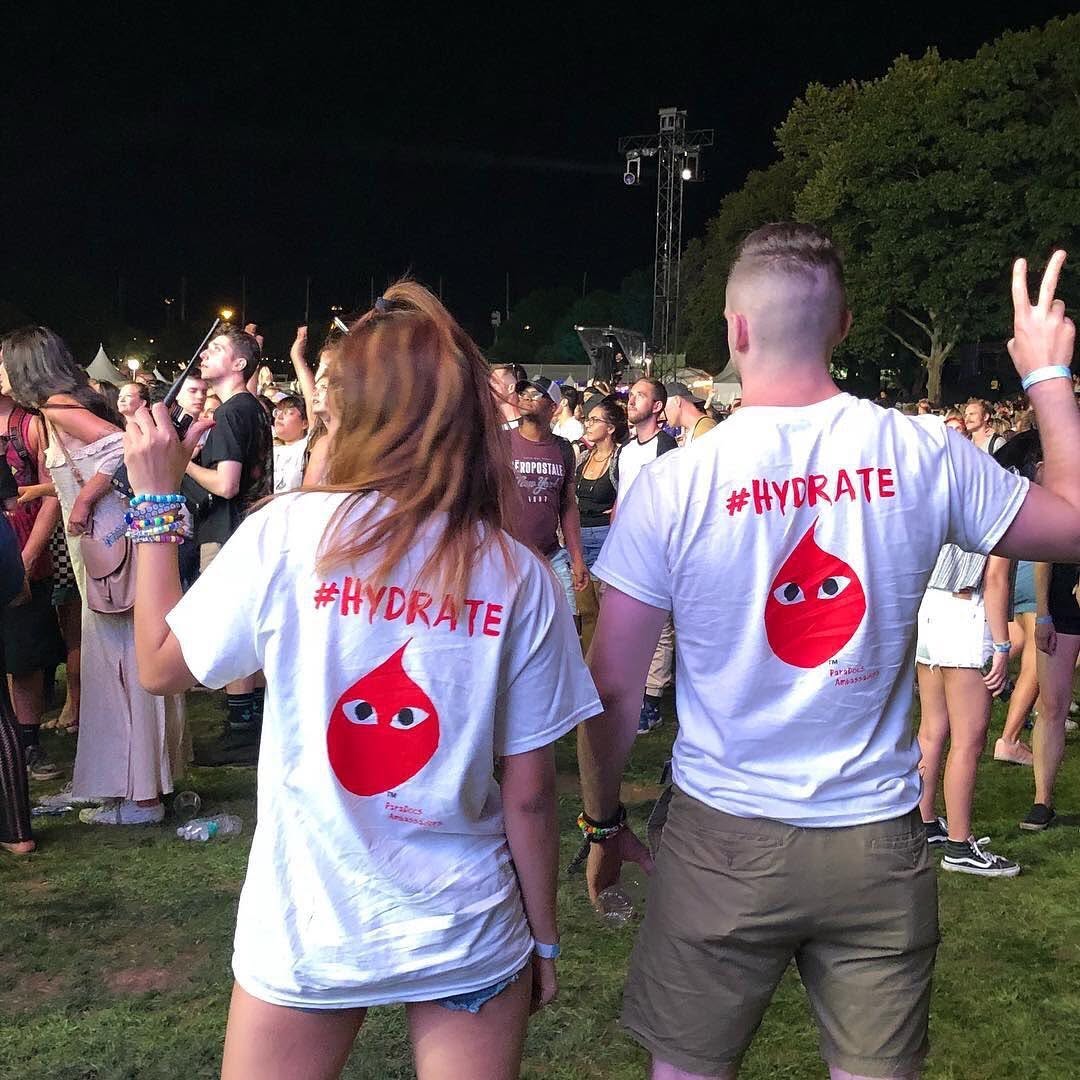
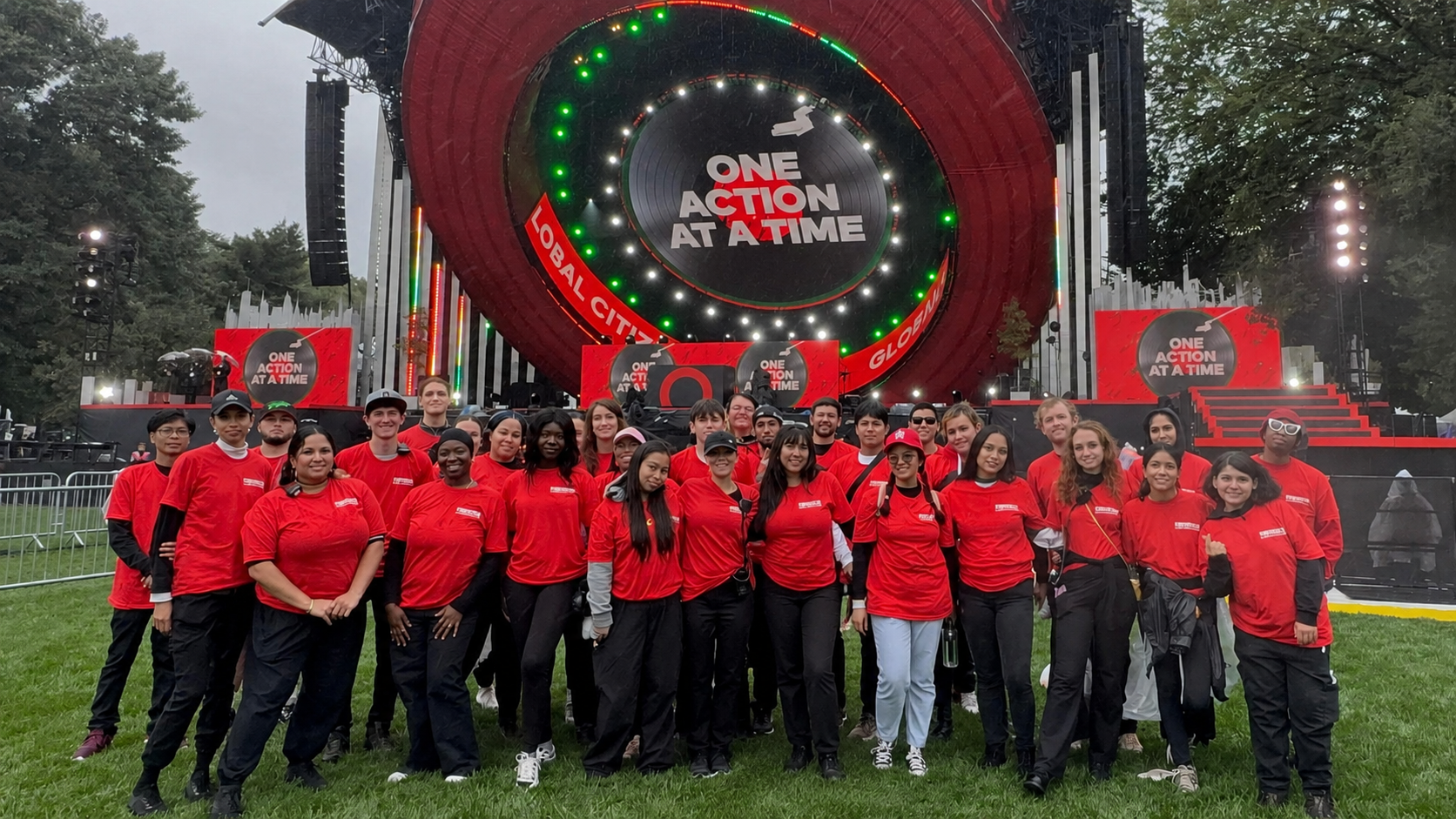
Ambassadors work in small teams and move through the crowd all day. You’re part of the event: you look like everyone else there, except for the shirt.
You watch for people having a hard time. Somebody overheating. Somebody who lost their friends. Somebody who’s clearly struggling and hasn’t asked anyone for help. You go say hi, and you make them comfortable.
You hand out water, provided by the event, and you keep the crowd drinking it. A friendly reminder goes a long way when someone’s been dancing in the sun all day.
And when somebody needs real medical care, you get the medical team to them. That handoff is the most important thing you’ll do all day.
Ambassadors are not medical providers. You won’t provide medical treatment, diagnosis, or medical guidance, and you’re not expected to know what to do clinically. That’s what the medical team is for.
Your job is to find the person who needs help, stay with them, and get them to the right people. A lot of people who would never approach a uniformed medic will happily talk to you. That’s the entire reason this program exists.
You arrive on site and start with a team meeting: what’s expected of you, how the radios work, and any questions you’ve got before the gates open.
You head out with a partner. Everyone carries a radio, so if you need your supervisor, you’ve got them. You’re never out there on your own.
You’ll be given a spot to start from, and you’ll get moved around the site as the day goes on.
Meals included during your shift and two breaks.
No certifications, no medical experience, no prior volunteering. Some events include a short training session beforehand, usually over video.
Shifts usually run 10 to 12 hours, and you’re on your feet for most of them. Meals are covered, and you’re right there at the festival the whole time.
Festival season runs from about May through October. That’s when most events happen.
You’re at the show. Meals are covered. You get the shirt, a team, and a real job to do: the kind of day where you go home knowing you actually helped somebody.
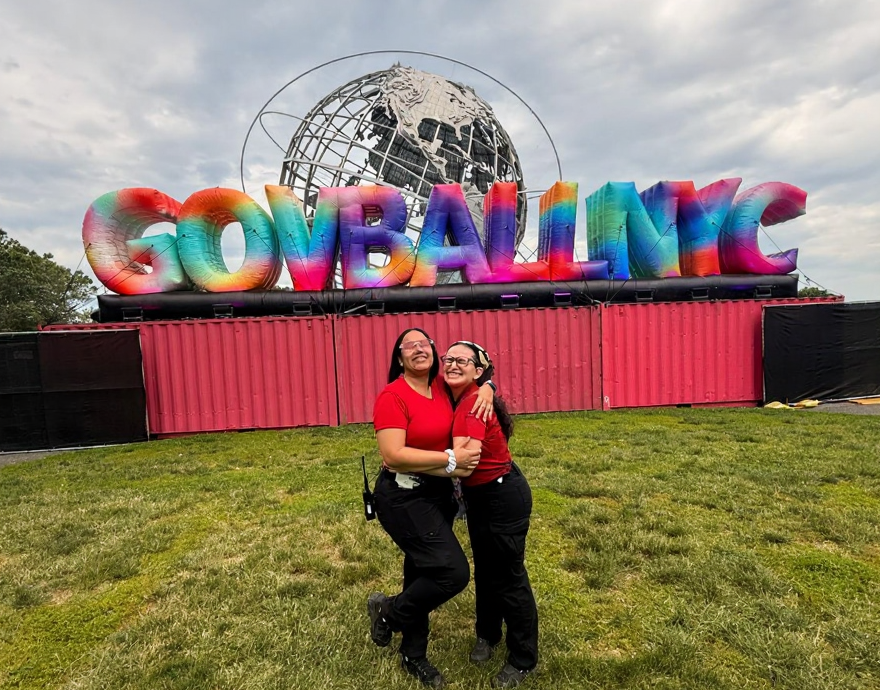
“Honestly, it’s the small stuff that gets me, handing someone a water, sitting with them for a few minutes until they feel okay again. You don’t realize how much that can change someone’s whole day.”
Applications are open year round. Festival season runs May through October. If you apply outside those months, we’ll be in touch when the season gets going.
Apply to be an AmbassadorAlready a medical professional? ParaDocs Medical staffs doctors, nurses, paramedics and EMTs at events nationwide.
See medical roles →